
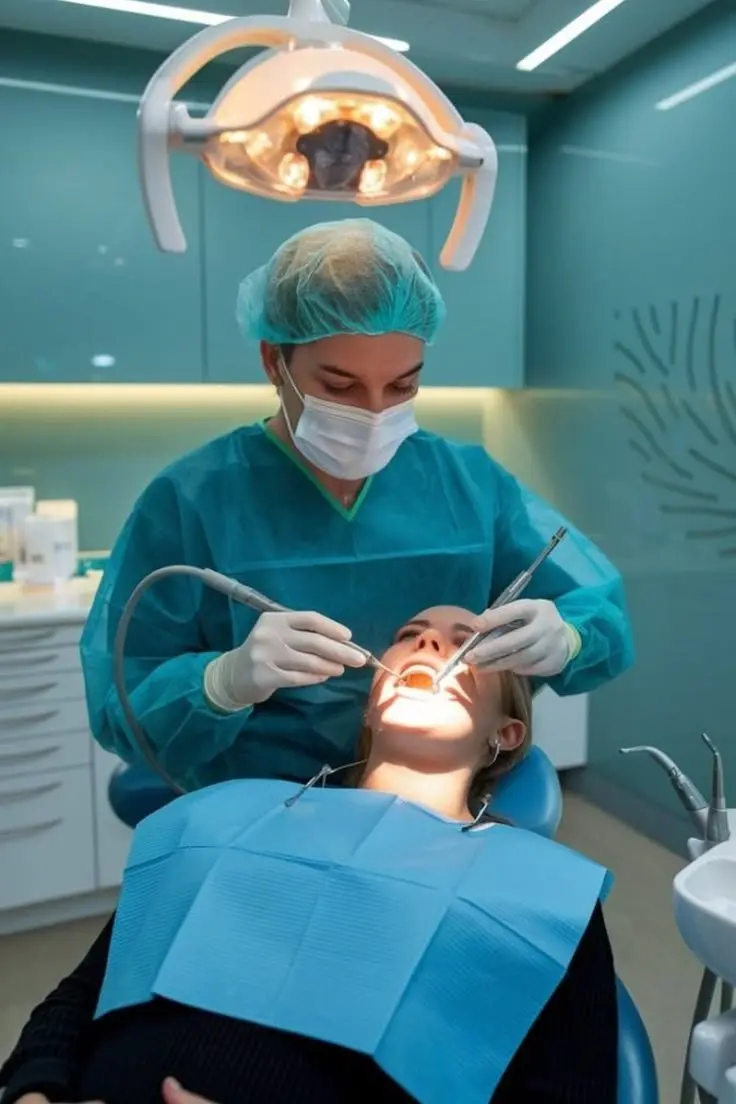
About This Service
Pain behind the last molar can come from gum inflammation, decay, pressure, infection or another dental problem. Examination and imaging may be needed to understand the wisdom tooth’s angle, roots and relationship to nearby structures before treatment is planned.
When to Book an Assessment
These signs do not confirm a diagnosis; a clinician needs to assess the cause.
- Pain or pressure at the back of the jaw
- Swollen or tender gum around a wisdom tooth
- Repeated infection or unpleasant taste
- Difficulty opening the mouth comfortably
- Decay in the wisdom tooth or adjacent tooth
What to Expect
- The dentist reviews symptoms and examines the back of the mouth.
- A dental X-ray may be recommended to see the tooth position and roots.
- Benefits, alternatives and procedure-specific risks are explained.
- Local anaesthesia is used, and the removal technique depends on the tooth position.
- Written aftercare guidance supports recovery.
After Your Appointment
Use medication only as directed, keep to soft foods initially and avoid disturbing the extraction site. Swelling can peak after the procedure before improving. Contact the clinic if symptoms worsen unexpectedly.
Frequently Asked Questions
Do all wisdom teeth need removal?
No. Healthy wisdom teeth that are well positioned and easy to clean may only need routine monitoring.
What does impacted mean?
An impacted tooth has not fully erupted because it is blocked by gum, bone or another tooth.
How long is recovery?
Recovery depends on whether the tooth was erupted or impacted and on procedure complexity. Your dentist will explain what to expect.
Can I eat after removal?
Yes, but begin with cool or lukewarm soft foods and follow the clinic’s instructions about chewing and mouth care.
This is general health information and does not replace examination, diagnosis or personalised medical advice.