
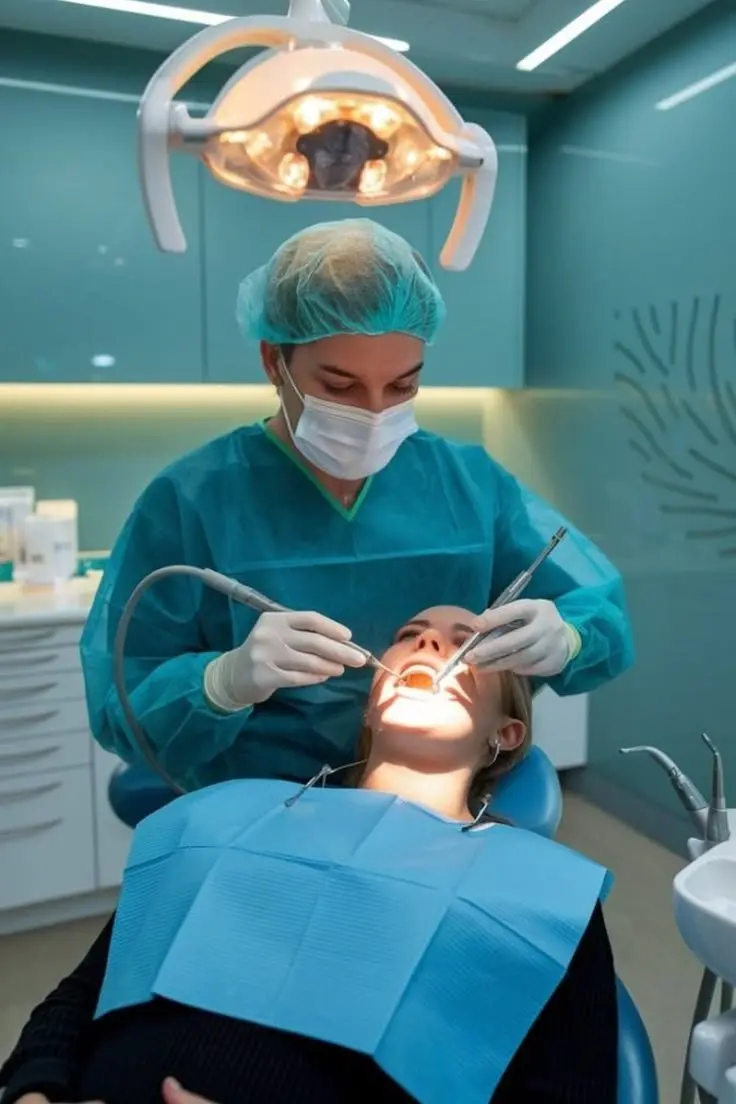
About This Service
Tartar cannot be removed effectively with a normal toothbrush. If it builds up around the gumline, it can contribute to gum inflammation, bleeding and bad breath. Routine examination and cleaning help your dentist identify concerns early and support healthier teeth and gums.
When to Book an Assessment
These signs do not confirm a diagnosis; a clinician needs to assess the cause.
- Visible tartar around the teeth
- Bleeding gums while brushing
- Persistent bad breath
- Surface stains from tea, coffee or tobacco
- A routine cleaning is due
What to Expect
- The dental professional checks the teeth and gums.
- Plaque and tartar are gently removed with appropriate instruments.
- The teeth are polished where suitable to reduce surface deposits and stains.
- Personalised brushing and interdental cleaning advice is provided.
- Any finding that needs further treatment is explained clearly.
After Your Appointment
Teeth may feel smoother immediately. Temporary sensitivity can occur, especially when there was significant tartar or existing gum inflammation. Maintain twice-daily brushing and clean between teeth as advised.
Frequently Asked Questions
How often should teeth be cleaned?
The right interval depends on your gum health, tartar build-up and risk factors. Your dentist will recommend a personalised schedule.
Does polishing whiten teeth?
Polishing may remove some external stains, but it is not the same as a professional whitening treatment.
Can cleaning damage enamel?
Professional cleaning performed with appropriate techniques is intended to remove deposits without harming healthy enamel.
Why do my gums bleed?
Bleeding can be linked to gum inflammation, brushing technique or other factors. A dental assessment can identify the likely cause.
This is general health information and does not replace examination, diagnosis or personalised medical advice.