
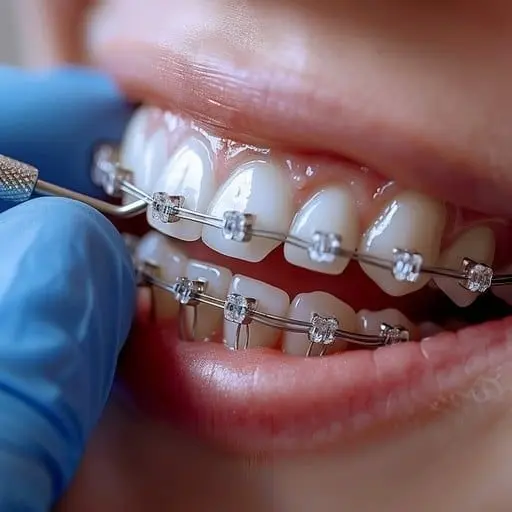
About This Service
People seek braces for crowded teeth, spacing, protruding teeth or bite concerns. Alignment can also make some areas easier to clean, although results and treatment time vary. The orthodontist reviews tooth position, jaw relationship, oral health and your goals before recommending a suitable plan.
When to Book an Assessment
These signs do not confirm a diagnosis; a clinician needs to assess the cause.
- Crowded, overlapping or rotated teeth
- Gaps between teeth
- Teeth that protrude
- Overbite, underbite or crossbite concerns
- Difficulty cleaning between misaligned teeth
What to Expect
- Your orthodontist discusses your concerns and medical and dental history.
- The teeth, bite and jaw relationship are examined.
- Photographs, scans, impressions or X-rays may be recommended when needed.
- You receive an explanation of suitable options, likely treatment stages and estimated duration.
- Regular adjustment and review visits help guide progress throughout treatment.
After Your Appointment
Good brushing, interdental cleaning and regular dental check-ups are important during braces treatment. After active treatment, retainers are usually required to help maintain the new tooth positions.
Frequently Asked Questions
How long do braces take?
Treatment time depends on the bite, tooth movement required and patient cooperation. An estimate is provided after assessment.
Are braces only for teenagers?
No. Adults can also be assessed for orthodontic treatment when their teeth and supporting tissues are healthy.
Do braces hurt?
Temporary pressure or soreness can occur after fitting and adjustments, but it commonly settles within a few days.
How often are follow-up visits?
The schedule varies by treatment plan. Your orthodontist will set review intervals based on your progress.
This is general health information and does not replace examination, diagnosis or personalised medical advice.