
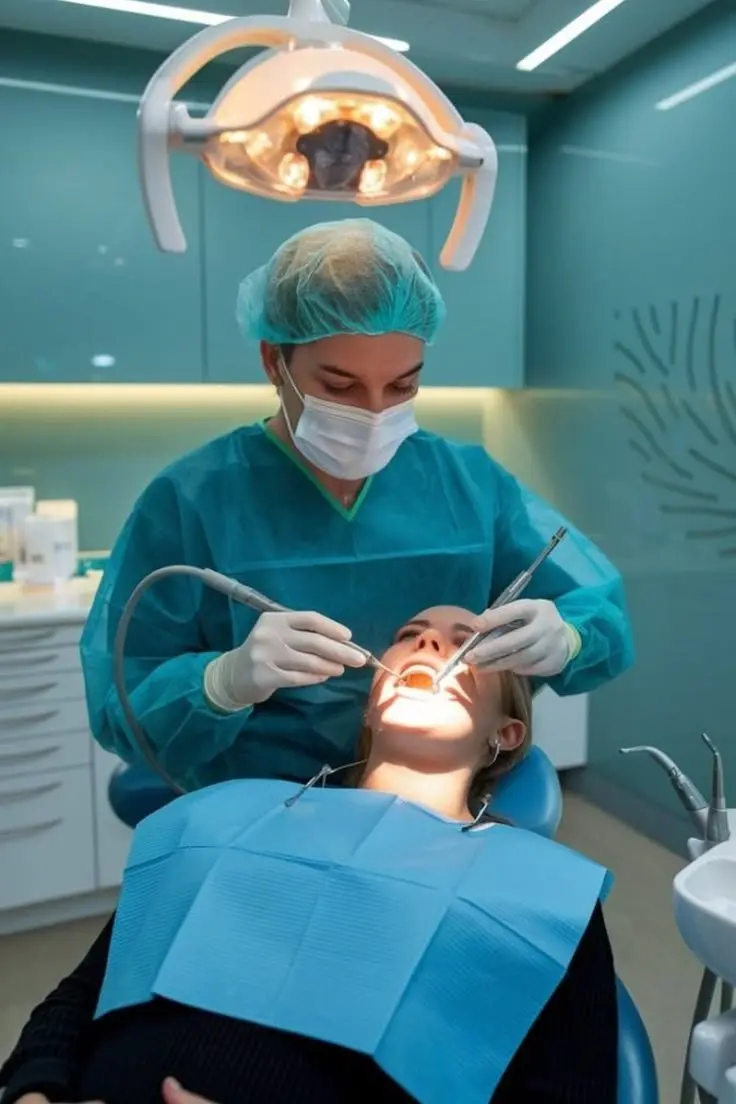
About This Service
Small cavities may not cause obvious pain. As decay progresses, sensitivity, discomfort or food trapping can develop. Treating a cavity earlier can help preserve more natural tooth structure and reduce the likelihood of more complex treatment later.
When to Book an Assessment
These signs do not confirm a diagnosis; a clinician needs to assess the cause.
- Sensitivity to sweet, hot or cold foods
- A visible hole or dark area on a tooth
- Food repeatedly getting stuck
- A chipped or worn tooth
- Pain when biting
What to Expect
- The dentist examines the tooth and may recommend an X-ray.
- The area is numbed when necessary.
- Decayed or weakened material is removed conservatively.
- The filling material is placed, shaped and hardened.
- Your bite is checked and adjusted for comfort.
After Your Appointment
Avoid chewing until numbness has fully worn off. Some short-term sensitivity can be normal, but pain that persists, a bite that feels high, or a lost filling should be checked by the dentist.
Frequently Asked Questions
What type of filling will I receive?
The material depends on the tooth, cavity size, bite forces and clinical needs. The dentist will explain the recommended option.
How long does a filling last?
Longevity varies with material, cavity size, oral hygiene, diet and teeth grinding. Regular checks help monitor the restoration.
Do all cavities hurt?
No. Early decay may have no symptoms, which is why routine dental examinations are important.
Can a badly damaged tooth be filled?
Not always. If there is extensive damage, a crown, root canal or extraction may be considered after assessment.
This is general health information and does not replace examination, diagnosis or personalised medical advice.