
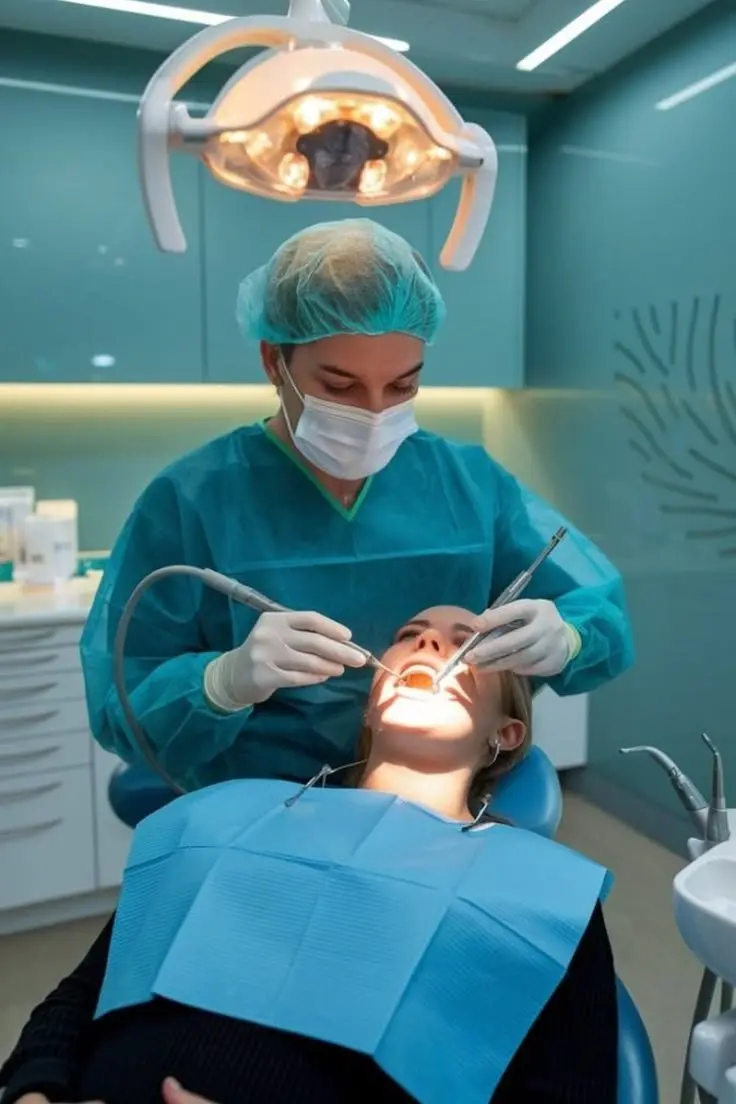
About This Service
Crowns may be considered when a tooth has a large restoration, significant fracture, wear or has received root canal treatment. The goal is to restore function and protect remaining tooth structure while achieving a natural-looking result appropriate for the area of the mouth.
When to Book an Assessment
These signs do not confirm a diagnosis; a clinician needs to assess the cause.
- A cracked or heavily worn tooth
- A large filling with limited tooth structure remaining
- A tooth treated with root canal therapy
- A broken or weak tooth
- A need to restore shape, function or appearance
What to Expect
- The tooth, gums and bite are assessed.
- Any decay or underlying problem is treated first.
- The tooth is prepared and an impression or scan is taken.
- A temporary crown may protect the tooth while the final crown is made.
- The final crown is checked for fit, colour and bite before cementation.
After Your Appointment
Clean around the crown carefully and attend regular dental reviews. Avoid using teeth to open packages or bite very hard objects. Report looseness, persistent sensitivity or discomfort when biting.
Frequently Asked Questions
Which is better, zirconia or porcelain?
The best material depends on location, bite forces, available tooth structure and aesthetic priorities. Your dentist will explain the trade-offs.
How long does a crown last?
Service life varies with oral hygiene, bite, grinding, diet and the condition of the supporting tooth.
Does a crowned tooth need cleaning?
Yes. The crown cannot decay, but the tooth margin and surrounding gums still require daily cleaning.
Is a crown always needed after root canal treatment?
Not always, but it is commonly recommended for back teeth or structurally weakened teeth. Assessment is essential.
This is general health information and does not replace examination, diagnosis or personalised medical advice.